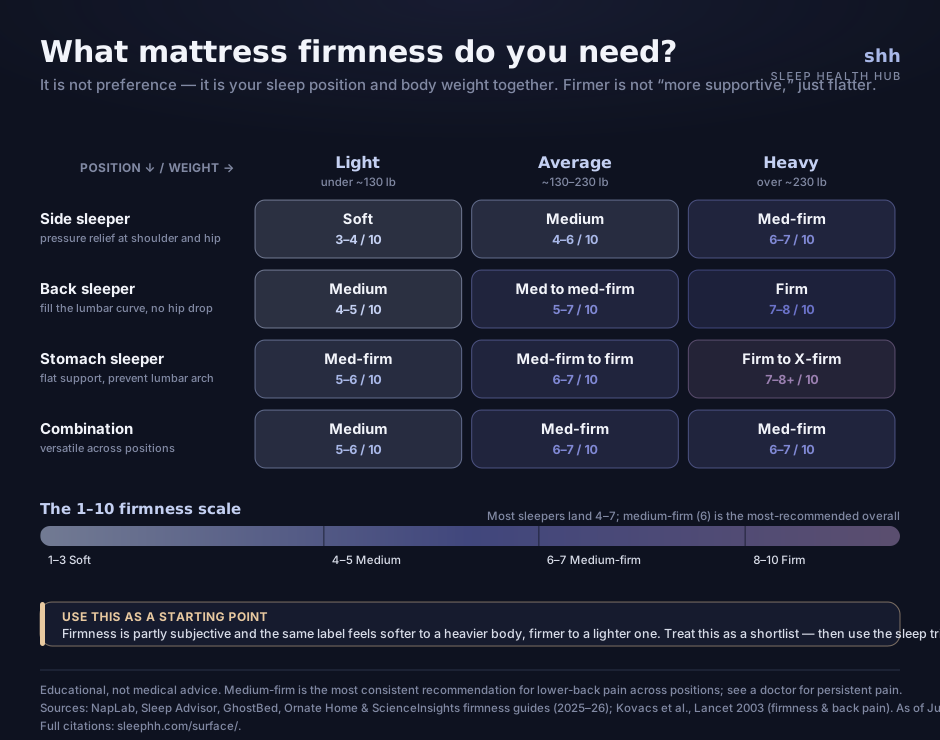
Mattress firmness by sleep position and body weight on a 1 to 10 scale. Side sleepers: soft 3-4 (light), medium 4-6 (average), medium-firm 6-7 (heavy). Back sleepers: medium 4-5, medium to medium-firm 5-7, firm 7-8. Stomach sleepers: medium-firm 5-6, medium-firm to firm 6-7, firm to extra-firm 7-8 plus. Combination sleepers: medium to medium-firm 5-7. Firmer is not more supportive, just flatter; medium-firm is most recommended for lower-back pain.
What firmness do you actually need? It’s your sleep position and body weight together — not preference. Firmer isn’t “more supportive,” just flatter. Use it as a starting shortlist, then confirm with the sleep trial.
Three mattresses compared by cost per night: a 500 dollar budget mattress over about five years is 0.27 dollars a night, an 800 dollar mid-range over seven years is 0.31, a 1500 dollar premium over ten years is 0.41. Color-coded by value.
The sticker price lies. Spread over its lifespan, a good mattress costs cents a night. Judge value by cost per night, then confirm with the sleep trial.
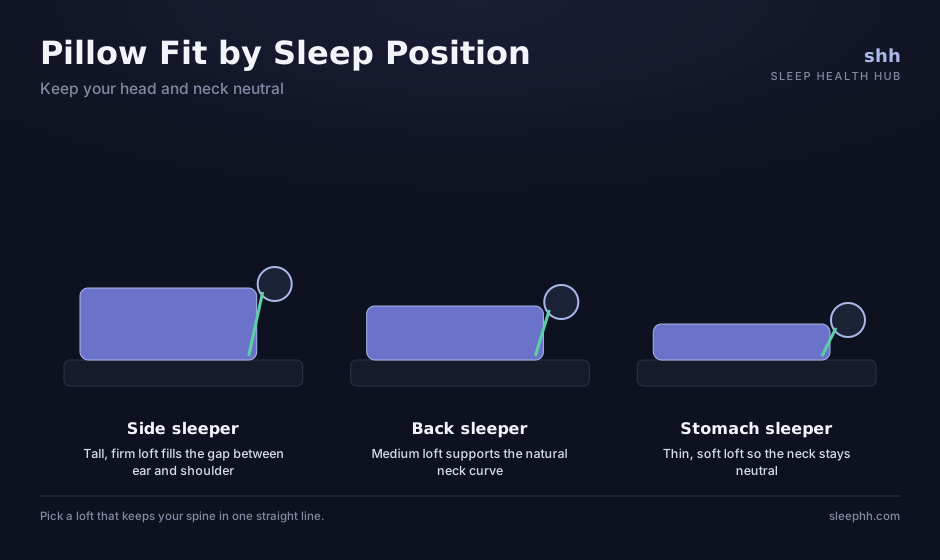
Side profiles showing pillow loft by sleep position: side sleepers need a tall firm loft to fill the gap between ear and shoulder, back sleepers a medium loft to support the neck curve, stomach sleepers a thin soft loft so the neck stays neutral.
Loft is personal, but position sets the range. The goal is one straight line from head to spine. Side sleepers go high, stomach sleepers go flat.

Build the whole system

Not sure where surface fits?

The Sleep Stack Builder maps all five layers and tells you which to fix first.

Build My Sleep System →